hololive Dreams
HARD / EXPERT: song-by-song practice
Choose a chart for the pattern you struggle with, then choose one change for your next attempt. Four HARD and ten EXPERT examples are separated by touch and keyboard controls.
Choose a chart for your current problem
The next-run plans and checks below are editorial practice suggestions prompted by brief player reports, not a cross-device difficulty ranking.
| Current problem | Practice choice |
|---|---|
| Missing one side of pairs | Shiny Smily Story (2022 ver.) / HARD |
| Late after a flick | ビビデバ・唱 / HARD |
| Breaking during or after a burst | FIRE BIRD / HARD・VIOLET / EXPERT |
| Choosing a first PC EXPERT chart | 雪の華・再会 / EXPERT |
| Breaking keyboard slides | 奏(かなで)・-ERROR / EXPERT |
| Trouble handing off touch holds | Daydream・瞬間ハートビート / EXPERT |
Four HARD charts to practise specific patterns
Touchscreen practice choices based on Hamu’s chart examples. Passage locations and full-chart fingering remain unverified.
| Song | Difficulty | Focus |
|---|---|---|
 Shiny Smily Story (2022 ver.) | HARD Lv16 | Plan the hand that moves after a pair● Left hand L● Right hand R 1. Hit the pair together2. Take the centre with the rightA paired-hit practice choice. Try on the next runRead a same-height pair as one event instead of chasing each side separately. Prepare both hands. On the next attempt, also check whether one hand is too far away just before the pair. Check afterwardsIf only one side misses, check position and preparation. If the next single note also fails, decide which hand moves after the pair. |
 ビビデバ | HARD Lv16 | After the flick, prepare for the next tap● Left hand L● Right hand R 1. Keep the flick short2. Move the right finger to the centreTap-to-flick transitions. Try on the next runAn oversized swipe can delay the following tap. Try a small fingertip motion rather than moving your whole arm. Practise tap, flick and the next tap as one sequence. Check afterwardsSeparate a missed flick from a missed following tap. For the latter, adjust swipe distance and direction to make the return easier. |
 唱 | HARD Lv18 | After the flick, prepare for the next tap● Left hand L● Right hand R 1. Keep the flick short2. Move the right finger to the centreMixed flick passages. Try on the next runRead the required movement as well as the note colour. For successive flicks, avoid lifting farther than needed and preserve time to return to the next input position. Check afterwardsFor a repeat failure, separate timing from travel to the next input. Before changing global speed, look for an unnecessary movement in that sequence. |
 FIRE BIRD | HARD Lv20 | Plan the entrance and exit of an alternating run● Left hand L● Right hand R Repeated and alternating hits. Try on the next runDecide the starting hand and avoid adding panic presses. Read the landing after the run as part of the same sequence. Stabilise short bursts before demanding a full-chart combo. Check afterwardsA failed start, middle or exit calls for a different fix. This is HARD Lv20; you need not force it before lower-level charts are stable. |
Song-specific practice points
Practice suggestions informed by inari’s PC play report. Mobile flick difficulty can differ. These are not charts playtested by this site.
| Song | Difficulty | Practice focus |
|---|---|---|
 雪の華 | EXPERT Lv22 | Choose what to adjust from the pattern of errorsFAST / SLOW bias across the song↓ Check audio output and timing Errors only in one difficult passage↓ Check fingering and where you look A PC EXPERT entry candidate. Try on the next runIf sparse passages lead to early presses, check their rhythm before changing the global offset. Once clears are stable, compare whether FAST repeats at the same places. Check afterwardsCheck where isolated misses occur. Repeated misses at one entrance call for pattern practice; a chart-wide early bias calls for calibration. |
 再会 | EXPERT Lv22 | Choose what to adjust from the pattern of errorsFAST / SLOW bias across the song↓ Check audio output and timing Errors only in one difficult passage↓ Check fingering and where you look A PC accuracy-practice candidate. Try on the next runFirst locate misses. Once clears are stable, choose one short passage with frequent GREATs. Keep speed and audio output unchanged so successive attempts are comparable. Check afterwardsTrack full combo and accuracy separately. If the combo survives but accuracy stalls, work on timing rather than adding presses. |
 Here I am | EXPERT Lv22 | The later section needs concentration. Try on the next runUse small, relaxed key movements in the first half. If the later section breaks down, distinguish a hesitation just before it from tapping faster than the beat. Check afterwardsSeparate early misses from late misses. Fewer late mistakes with a stable opening show progress in sustaining a full run. |
 いのち(2024 ver.) | EXPERT Lv22 | Repeated uneven rhythms. Try on the next runDistinguish the short gaps from the space before the next group. Hum the rhythm before playing, then aim to reproduce just one group accurately on the next run. Check afterwardsLook for an early first hit or a late final hit in each group. Relearn that rhythm before changing the global timing offset. |
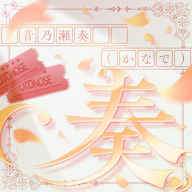 奏(かなで) | EXPERT Lv23 | Short slides are a sticking point. Try on the next runAfter the start, read where the line moves next. Do not release simply because the gesture looks short; prepare the start and continuation as one sequence. Check afterwardsA break immediately after the start suggests a hold issue; a break during movement suggests a transition issue. Touchscreen fingering is not a keyboard key map. |
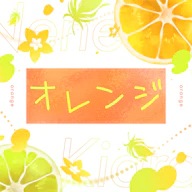 オレンジ | EXPERT Lv24 | Small notes before the chorus. Try on the next runIdentify the input positions before the chorus. Avoid moving both hands towards a small note in panic. Assign a hand and plan the transition from the preceding note. Check afterwardsIf timing seems right, inspect the input position. If you cannot read the note, change only one visibility setting before comparing another run. |
 VIOLET | EXPERT Lv24 | Bursts interrupt the flow. Try on the next runPlan the starting hand and the first input after the burst. Keep the last press compact so you can reach the following note instead of treating the burst as an isolated task. Check afterwardsRecord whether the break happens inside the burst or immediately afterwards. An exit-only failure calls for a better transition, not faster tapping. |
 -ERROR | EXPERT Lv25 | Crossing slides are the main obstacle. Try on the next runTrace both paths from their starts to their destinations. Decide the input assignment before they cross. Repeat a successful assignment on the next run to see whether it is reliable. Check afterwardsLocate the break before, during or after the crossing. Narrow it to the start, transition or ending instead of treating every failure as the same crossing problem. |
Touch controls: holds in two EXPERT charts
These examples come from AIKE’s play report dated 6 August 2026. The device and testing on the latest version are unspecified. They describe these patterns, not a universal rule for every hold.
| Song | Difficulty | Finger movement |
|---|---|---|
 Daydream | EXPERT Lv23 | Flick during the hold without lifting the finger● Left hand L● Right hand R 1. Use a compact flick2. Keep contact and follow the holdAIKE reports a flick inside a hold. Try on the next runTrace the line and check that it continues after the arrow. The reported approach keeps contact through the flick and subsequent hold. On the next attempt, focus on whether you release just after the arrow. Check afterwardsA miss at the arrow and a break just afterwards are different problems: flick versus continued contact. This report does not establish a universal hold-release rule. |
 瞬間ハートビート | EXPERT Lv24 | Start the next hold before releasing the previous one● Left hand L● Right hand R 1. Start next: both fingers stay down2. Release after the prior end passesAIKE reports overlapping hold hand-offs. Try on the next runAssign the finger for the next start in advance. The report alternates hands, starting the next hold before releasing the previous one. Distinguish releasing too early from keeping a finger down so long that the next input becomes unreachable. Check afterwardsCheck that the new start registered, then refine the release order. Do not assume the same hand-off applies to differently shaped patterns in other songs. |
When HARD is difficult
- Filter the catalog to HARD up to Lv16 and choose a familiar song. Increase the cap one level after consistent full combos.
- Record whether you lose holds with taps, simultaneous hits or final flicks. Start with a chart that isolates one weak pattern.
- You need not jump directly to that song’s EXPERT. Another song’s low-level EXPERT may suit you better.
Chart-guide coverage
Includes four HARD practice choices and ten EXPERT examples: eight for PC controls and two for touch controls. Difficult passages, measure positions and full-chart fingering have not been verified for all 233 songs.
References & image credits
Open reference list (4)
- Hamu: chart terminology and examples ↗Four HARD charts to practise specific patterns
- inari: PC EXPERT play report ↗
- AIKE: EXPERT play report, 6 August 2026 ↗
- Community chart data ↗
English explanations are editorial translations. © COVER / © QualiArts, Inc.